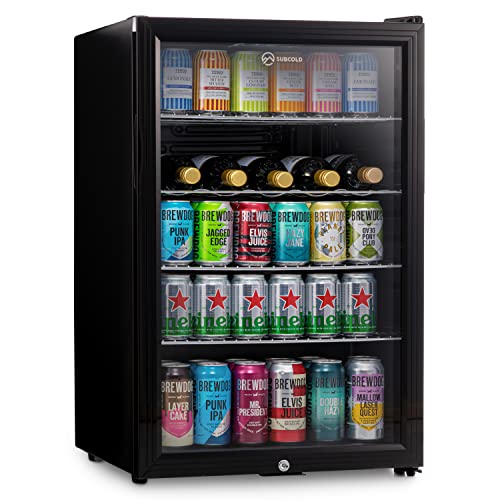
10 Tell-Tale Warning Signs You Should Know To Buy A Temperature-Controlled Fridges
The Importance of Temperature-Controlled Fridges in Various Industries
Temperature-controlled fridges are an important component in different markets, consisting of healthcare, food and beverage, pharmaceuticals, and labs. Luxury Drink Refrigerators specialized refrigerators are designed to maintain a consistent temperature level, which is important for storing delicate products, samples, and substances. In this post, we will check out the various kinds of temperature-controlled fridges, their applications, and the advantages they provide.
What are Temperature-Controlled Fridges?
Temperature-controlled fridges, also referred to as accuracy refrigerators, are created to preserve a precise temperature level variety. They are equipped with innovative temperature control systems, which can be set to specific temperature levels, and are designed to lessen temperature level changes. These fridges are offered in different sizes, from small, compact units to large, walk-in models.
Types of Temperature-Controlled Fridges
There are a number of kinds of temperature-controlled fridges, each designed for particular applications:
- Laboratory Refrigerators: These fridges are created for laboratory settings and are typically used to keep biological samples, vaccines, and other temperature-sensitive products.
- Pharmaceutical Refrigerators: These fridges are designed for storing pharmaceutical items, including medications, vaccines, and other temperature-sensitive substances.
- Medical Refrigerators: These fridges are developed for medical settings and are normally used to keep medical products, including vaccines, blood, and other temperature-sensitive products.
- Food and Beverage Refrigerators: These fridges are created for food and beverage applications, consisting of restaurants, cafes, and catering services.
- Industrial Refrigerators: These fridges are designed for industrial applications, consisting of food processing, production, and storage.
Applications of Temperature-Controlled Fridges
Temperature-controlled fridges have various applications across various industries:
- Healthcare: Temperature-controlled fridges are used in medical facilities, centers, and healthcare centers to store medical supplies, including vaccines, blood, and other temperature-sensitive materials.
- Food and Beverage: Temperature-controlled fridges are utilized in dining establishments, cafes, and catering services to store food and beverages at accurate temperature levels, making sure food security and quality.
- Pharmaceuticals: Temperature-controlled fridges are used in pharmaceutical production, storage, and distribution to preserve the quality and effectiveness of medications and vaccines.
- Laboratories: Temperature-controlled fridges are used in laboratories to store biological samples, vaccines, and other temperature-sensitive products.
Benefits of Temperature-Controlled Fridges
Temperature-controlled fridges provide several advantages, consisting of:
- Precision Temperature Control: Temperature-controlled fridges offer exact temperature level control, which is essential for storing delicate products, samples, and substances.
- Increased Safety: Temperature-controlled fridges ensure the safe storage of temperature-sensitive materials, decreasing the threat of contamination and spoilage.
- Improved Quality: Temperature-controlled fridges keep the quality of items, samples, and substances by storing them at accurate temperature levels.
- Regulatory Compliance: Temperature-controlled fridges help companies abide by regulatory requirements for the storage of temperature-sensitive products.
- Energy Efficiency: Temperature-controlled fridges are created to be energy-efficient, lowering energy intake and costs.
Features to Consider When Choosing a Temperature-Controlled Fridge
When selecting a temperature-controlled fridge, think about the following features:
- Temperature Control: Look for a refrigerator with sophisticated temperature control systems, including digital temperature level displays and alarms.
- Insulation: Choose a fridge with high-quality insulation to minimize temperature changes.
- Shelving: Consider a fridge with adjustable shelving to accommodate various sizes and types of containers.
- Humidity Control: Look for a refrigerator with humidity control includes to keep ideal humidity levels.
- Security: Choose a refrigerator with secure locking mechanisms to prevent unauthorized gain access to.
- Monitoring: Consider a fridge with remote monitoring capabilities to track temperature level and humidity levels.
- Maintenance: Look for a fridge with easy maintenance features, including replaceable filters and cleaning systems.
Often Asked Questions
Q: What is the distinction in between a temperature-controlled fridge and a standard fridge?
A: A temperature-controlled fridge is designed to keep an accurate temperature variety, while a standard fridge is developed for general-purpose storage.
Q: What are the benefits of utilizing a temperature-controlled fridge in a lab setting?
A: Temperature-controlled fridges in lab settings offer exact temperature control, increased safety, improved quality, and regulative compliance.
Q: How do I choose the right temperature-controlled fridge for my company?
A: Consider factors such as temperature level control, insulation, shelving, humidity control, security, tracking, and maintenance when selecting a temperature-controlled fridge.
Q: Can temperature-controlled fridges be used for keeping food and beverages?
A: Yes, temperature-controlled fridges can be used for keeping food and beverages, especially in dining establishments, cafes, and catering services.
Q: Are temperature-controlled fridges energy-efficient?
A: Yes, temperature-controlled fridges are designed to be energy-efficient, minimizing energy usage and expenses.
In conclusion, temperature-controlled fridges are essential components in numerous markets, supplying accurate temperature level control, increased safety, enhanced quality, and regulative compliance. When choosing a temperature-controlled fridge, consider functions such as temperature control, insulation, shelving, humidity control, security, monitoring, and upkeep. By selecting the ideal temperature-controlled refrigerator, companies can guarantee the safe and efficient storage of temperature-sensitive products.